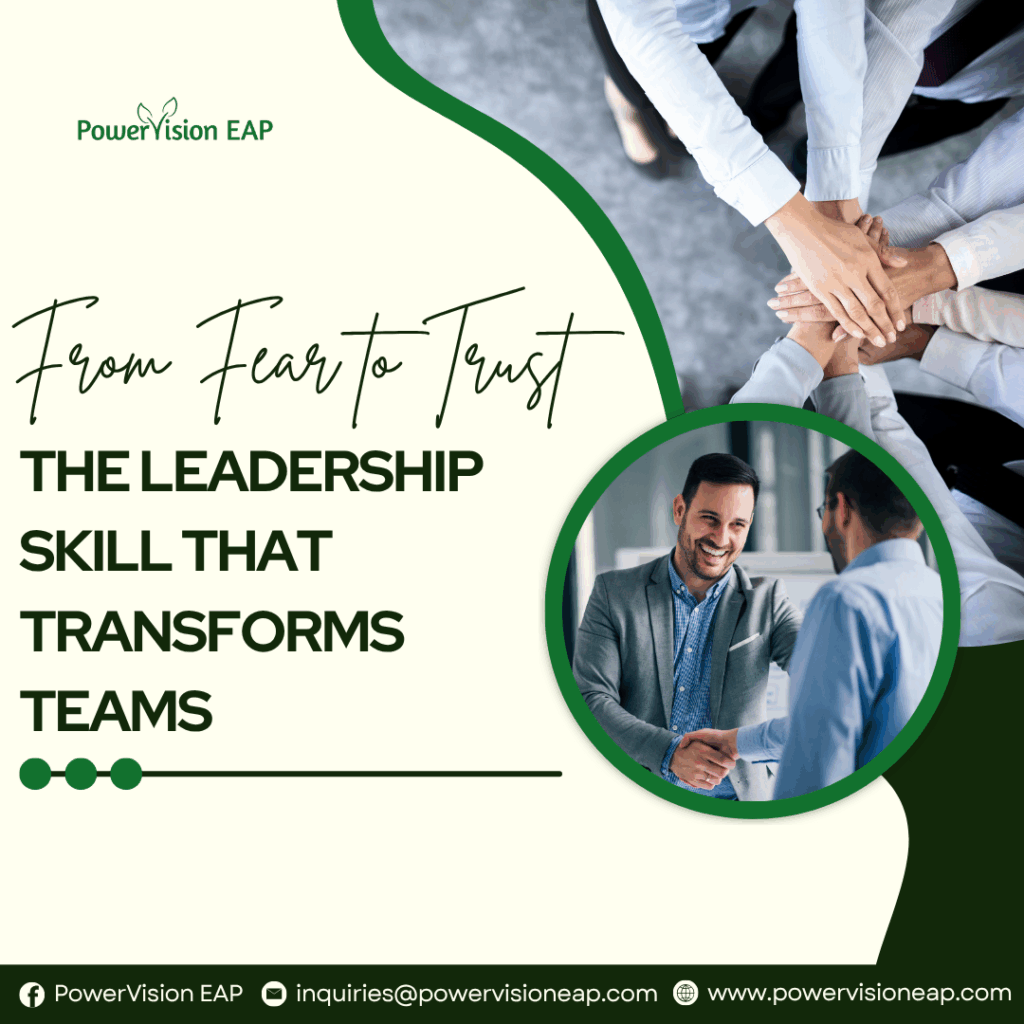
Psychological safety is key to building strong, high-performing teams. It’s the shared belief that a team is a safe space for interpersonal risk-taking. When team members feel safe to speak up, ask questions, share ideas, or even admit mistakes without fear of being judged, blamed, or punished, everyone benefits. This leads to more innovation, flexibility, and engagement in the workplace.
But what exactly does “psychological safety” mean in simple terms?
Imagine being in a meeting where you have a good idea—but you stay quiet because you’re afraid it might sound silly. Or maybe you’ve made a mistake but you hide it, worrying it might cost you your job or reputation. These are signs of a team that lacks psychological safety.
In a psychologically safe environment, people are not punished or ridiculed for speaking up. Instead, they are encouraged. Leaders welcome questions, curiosity, and even disagreement—because they understand that these are the building blocks of learning and growth.
However, creating this kind of environment can be challenging. While many leaders promote open communication, they often overlook a deeper layer: Learner Safety.
What is Learner Safety?
Learner Safety, as explained by organizational psychologist Dr. Timothy Clark, is the feeling that it’s okay to ask questions, experiment, try something new, and admit when you don’t know something—without fear of embarrassment or rejection.
It’s not just about tolerating mistakes. It’s about actively encouraging people to learn, explore, and stretch themselves.
For example:
-
A new employee feels safe asking for help instead of pretending they understand.
-
A team member proposes a creative solution, even if it might not work.
-
Someone admits, “I don’t know how to do this yet,” and is met with support instead of judgment.
Without Learner Safety, teams can become silent and stagnant. People hide what they don’t know. They play it safe. And in a fast-changing world, that’s dangerous.
Why Does Psychological Safety Matter for Leaders?
Many leaders miss that without Learner Safety, their teams can’t build the adaptability and resilience needed to thrive in today’s dynamic workplace. If people don’t feel safe to learn openly, they may disengage, underperform, or leave altogether.
Psychological safety isn’t about being “soft” or avoiding accountability. It’s about creating the right environment so that accountability, learning, and performance can thrive.
That’s why psychological safety is at the heart of our leadership development programs.
In today’s fast-paced, high-pressure world, creating a culture of psychological safety is no longer optional—it’s essential.
Because when people feel safe, they show up fully. They contribute. They grow. And they help your team—and your organization—succeed.