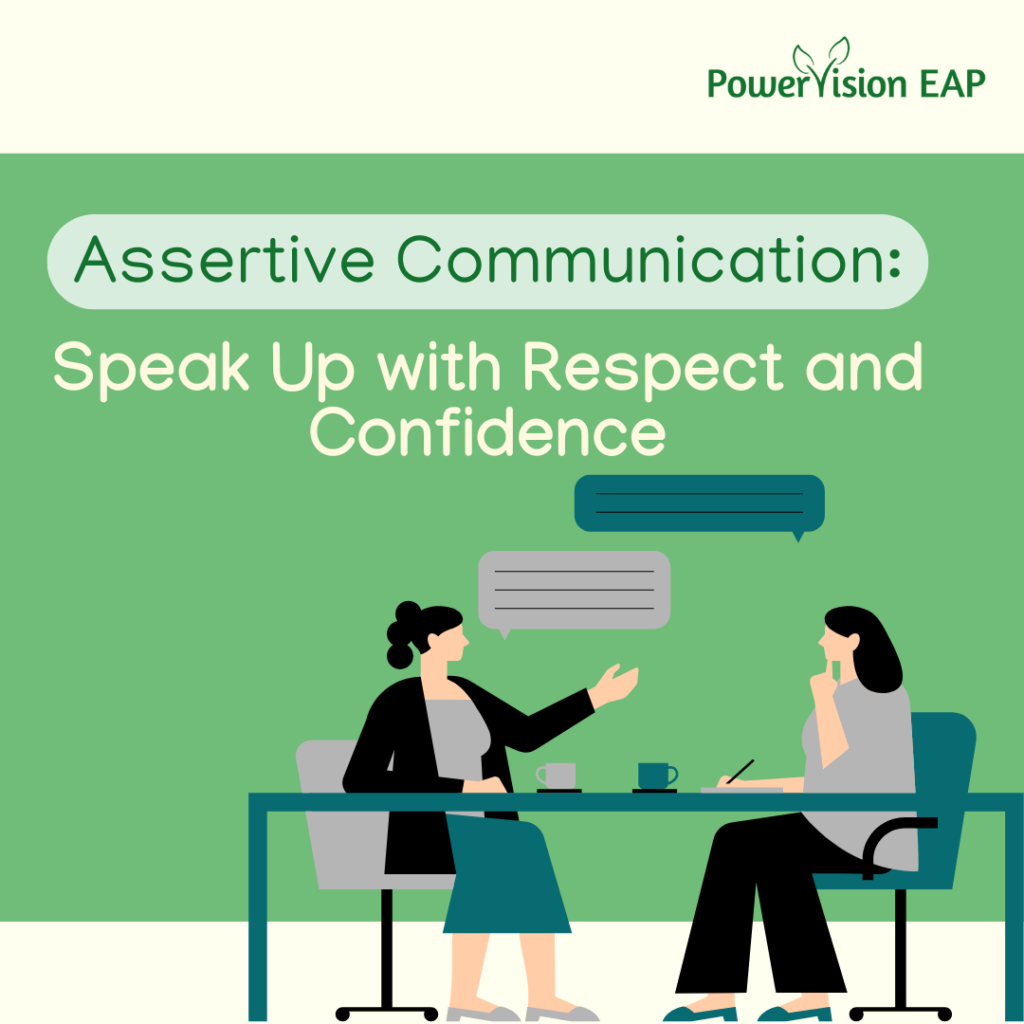
Assertive communication means expressing your thoughts, feelings, and needs clearly and respectfully without being too passive or too aggressive. It’s about standing up for yourself while considering others’ rights and feelings.
In the workplace, assertiveness helps create open communication, build trust, and prevent misunderstandings. It allows employees to express opinions confidently, set boundaries, and handle conflict in a positive way.
Why Assertive Communication Matters
- Build Better Relationships: Assertive people communicate honestly and respectfully, reducing tension and misunderstandings.
- Boosts Confidence: Expressing your needs clearly reinforces self-worth and helps you feel more in control.
- Reduces Stress: You no longer bottle up frustration or feel guilty for speaking up.
- Improves Problem-Solving: Assertiveness turns disagreements into productive conversations.
How to Practice Assertive Communication
- Know Your Style – Reflect on how you usually communicate. Are you too quiet or too forceful?
- Use “I” Statements – Say, “I feel concerned when deadlines overlap” instead of “You always give too much work.”
- Listen Actively – Show respect by hearing others out before responding.
- Say “No” Calmly – Decline requests politely but firmly when necessary.
- Seek Feedback – Ask trusted colleagues how you can communicate more effectively.
- Start Small – Practice in low-pressure situations until it feels natural.
Being assertive helps you express yourself with confidence and respect. It strengthens teamwork, improves relationships, and reduces workplace stress. When employees learn to communicate assertively, everyone benefits; from clearer conversations to a more positive work environment.
References
Alberti, R. E., & Emmons, M. L. (2017). Your Perfect Right: Assertiveness and Equality in Your Life and Relationships.
Gallo, A. (2012). How to Be Assertive (Without Losing Yourself). Harvard Business Review.
Lancer, D. (2021). How to Be Assertive Without Being Aggressive. Psychology Today.